
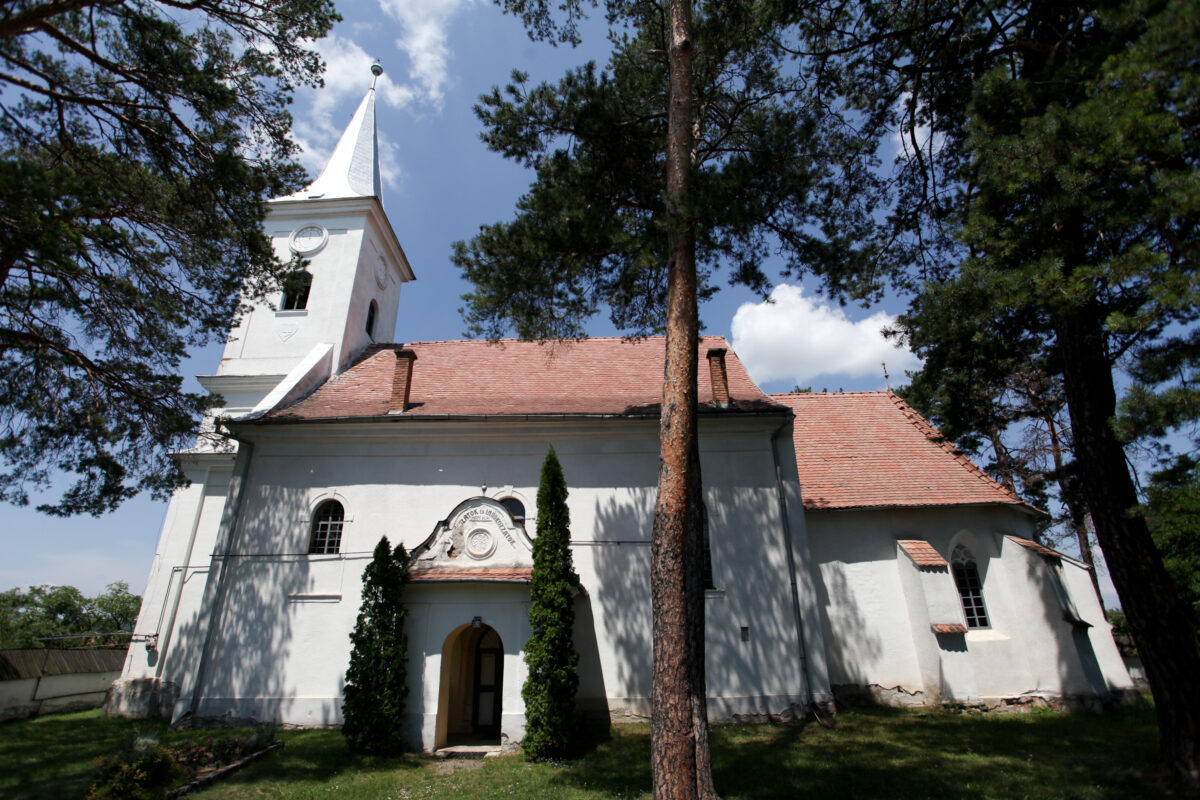
The reformed church of Voivodeni was built in Gothic style starting from the 15th century, suffering major transformations during the 18th century. The eastern part, which is the sanctuary of the church, having nerved vault and carved stone windows, managed to maintain some of its medieval character. The western part, the tower and the naos is a newer construction, though. In the interior of the church there is a bust of Jesus, carved in stone, and below the sanctuary there is a crypt, here lies Countess Bethlen Kata as well. The church and the old cemetery is surrounded by a stone wall. Last time it was extensively renovated in 1924.
Category: Churches
Churches, since earliest times have been the most important elements of a rural settlement’s structure. According to Christian doctrines, the church and its surroundings have a celestial model, a transcendental imagery. This is why the church is a sacred cosmological place, continuously blessing the world, because it surrounds and represents it at the same time. In rural areas the church rises above other buildings, the church steeple is “an exclamation mark in the space”, a focus point, and as such, as far as the structure of space is concerned, it has an important role in coordination and orientation.
The Plain Valley of the Mureș river microregion is a multi-ethnical and multiconfessional area, this is why a phenomenon specific to multiconfessional areas can be observed: in almost every settlement there are churches belonging to at least two or three religious denominations.
The reformed church
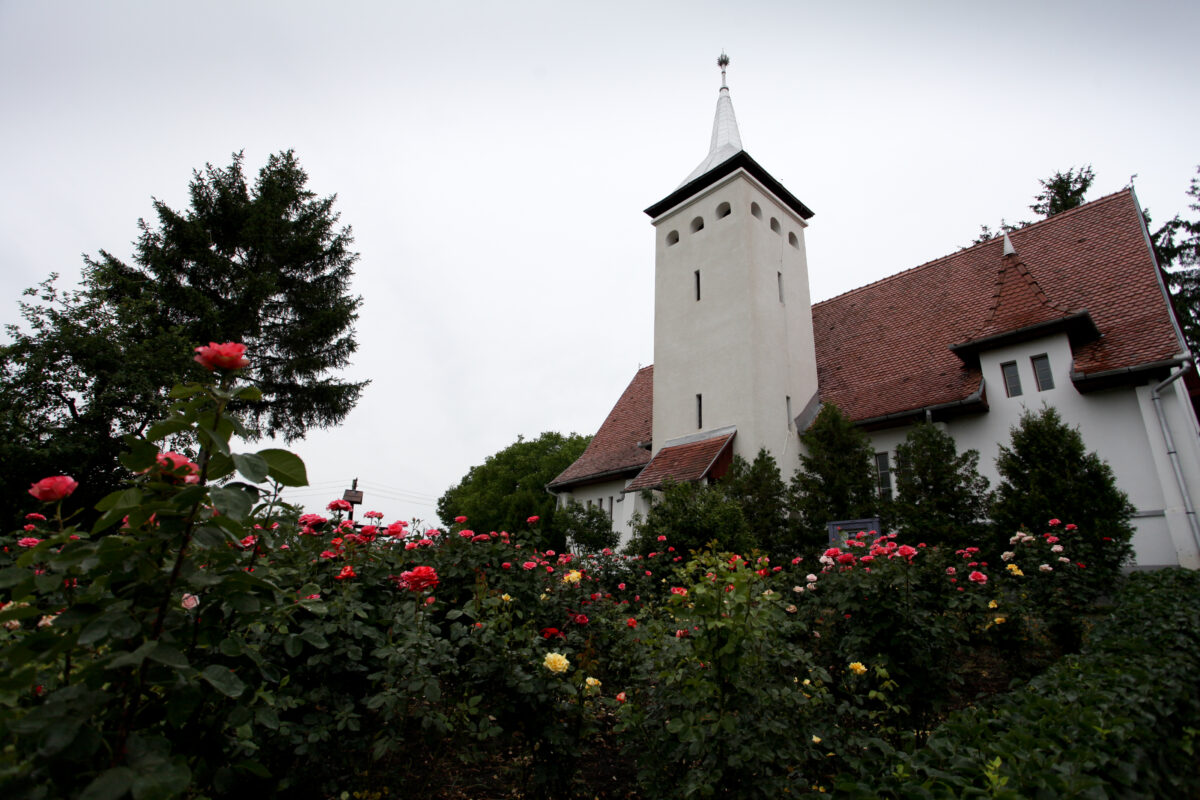
The reformed church of Păcureni initially was a small building, erected in Gothic style, with thick walls and narrow windows, the sanctuary having a monastery-style vault. During the centuries the church has suffered several modifications, the last one in 1901, but they kept certain elements such as the sculptured stone sacristy door or the carved stone font, now integrated into the pulpit. However, most of the Gothic elements were eliminated, but some of them are exhibited in the church’s courtyard.
The reformed church
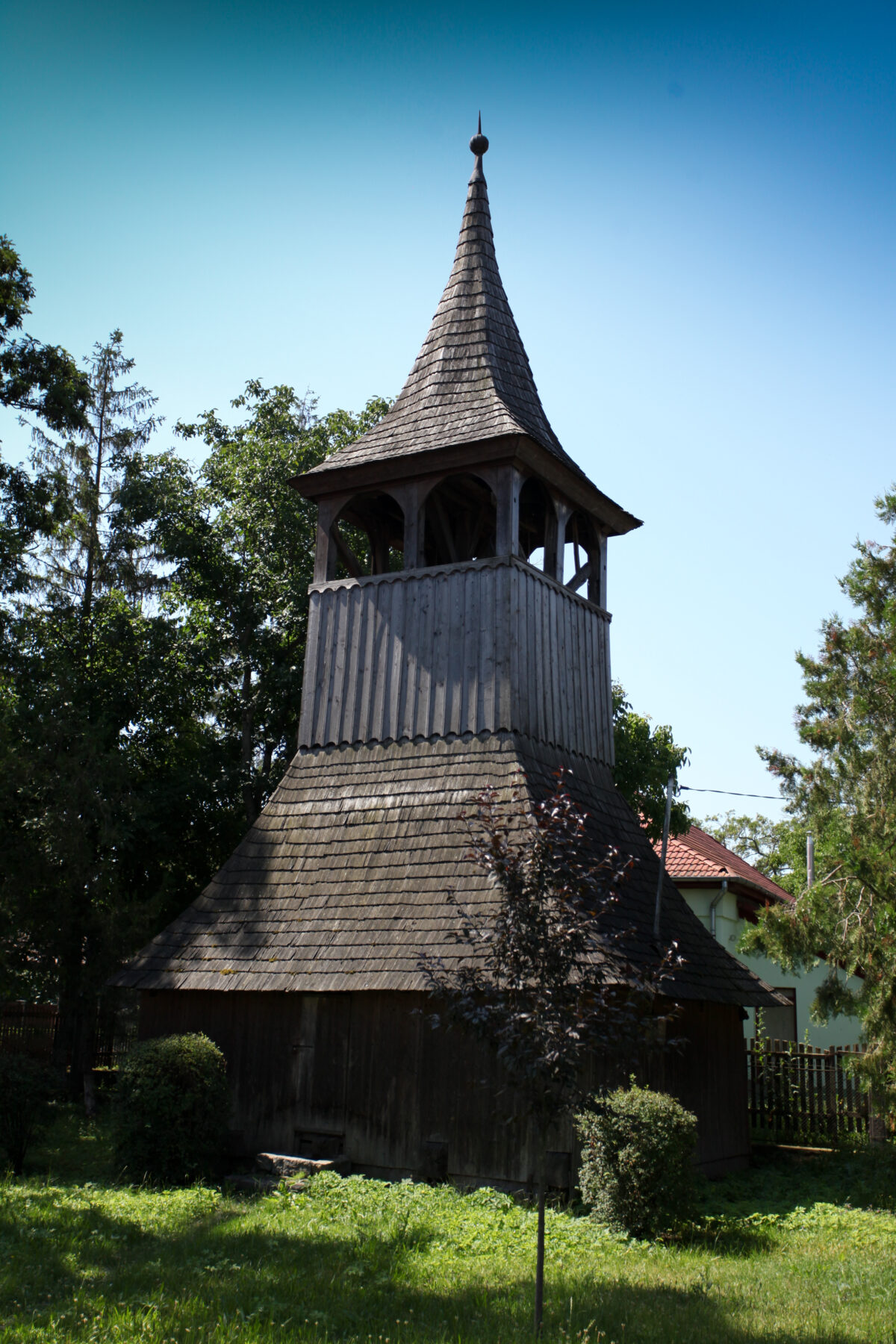
The reformed church of Periș dates to the 13th – 16th century, the same as the apparition of the settlement, but there are no documents to show us the exact date of the construction. The church was built in Gothic style, but during the years it has suffered several renovations and major interventions. In its original shape the church was formed by a central nave and an apse, the plan of the church following the radiant Gothic plan. Similarly, the windows of the church also kept the original shape of the Gothic arch. The interior of the church follows the style of protestant churches, the decorations being minimal. The organ of the church dates back to 1839, being built by Binder János. The building was restored and enlarged after the plans of the renowned Hungarian architect, Kós Károly between 1947 and 1948. The belfry of church is an approximately 300 years old belfry. In 1741 it was already situated next to a reformed church near the village, and since 1784 it belongs to the reformed church of Periș. It has been standing there up to these days in its original form.
The reformed church
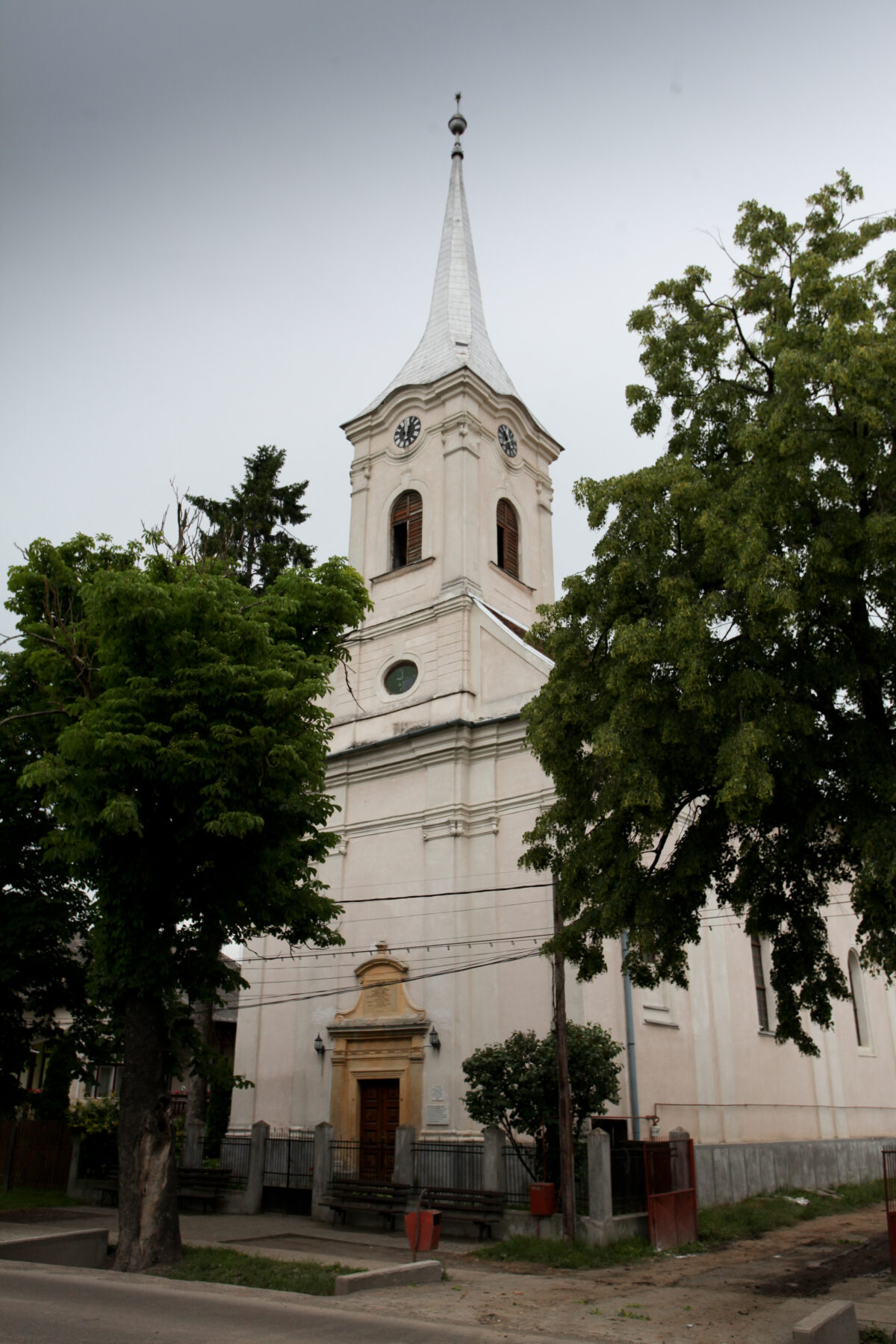
The reformed church of Dumbrăvioara was built by count Teleki Sámuel, with the plans of architect Mihály Péchy. The execution works began in 1784, in 1785 the roof of the church was ready, but it didn’t become functional until 1793. In the segmentation of the facade, in the fastidious portal, transported from long distance, in the proportions of the interior space, in the segmenting elements, in the bohemian cupolas of the interior appears the architectural language of the late, classicizing baroque, characteristic to the era; but at a standard that greatly transcends the financial possibilities and the esthetic universe of a serf village, it rather reflects the exigence of the aristocratic client.
The Unitarian church
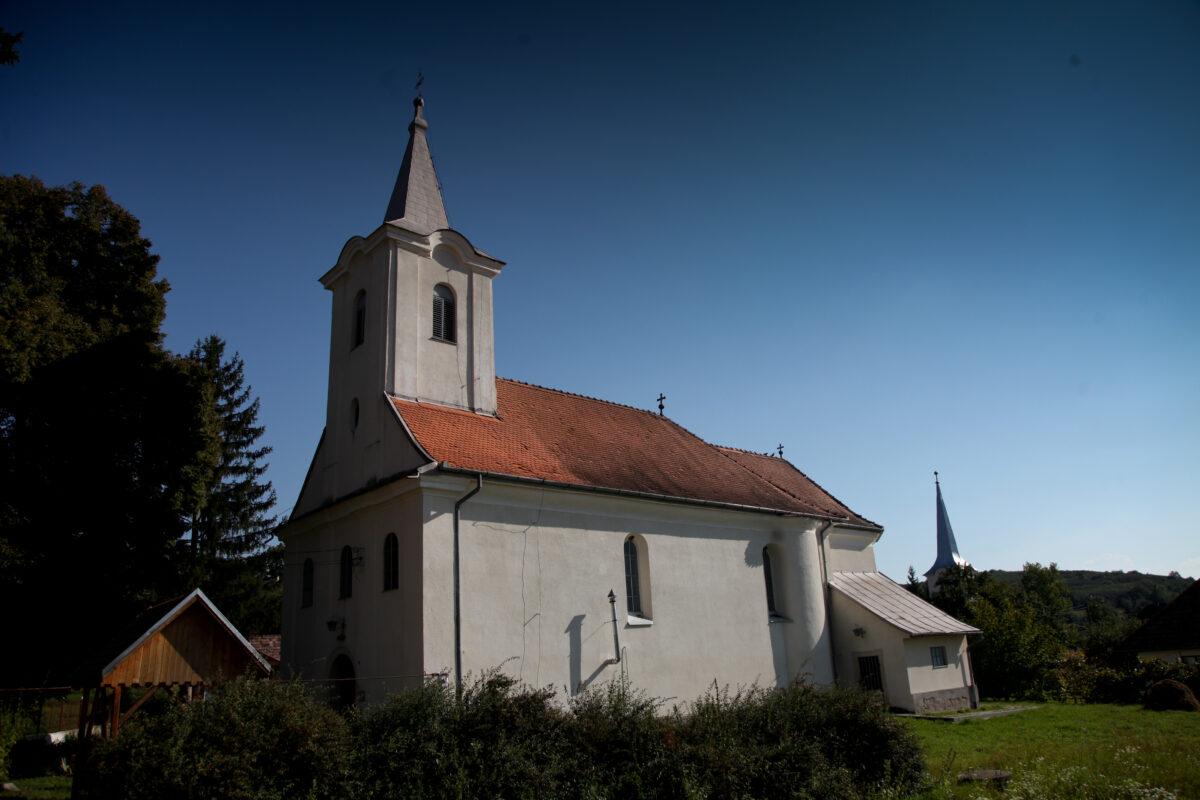
The Unitarian church of Călușeri initially was built of wood and it served the followers until 1762.
The believers got the permission of Maria Theresa for the building of a new wooden church, but the leaders of the church decided not to obey this restriction and at the proposal of Nagy József they erected a stone church already in the year 1762. However, following a denunciation they were not allowed to use the church for eight years. The tower of the church was built in 1783.
The reformed church
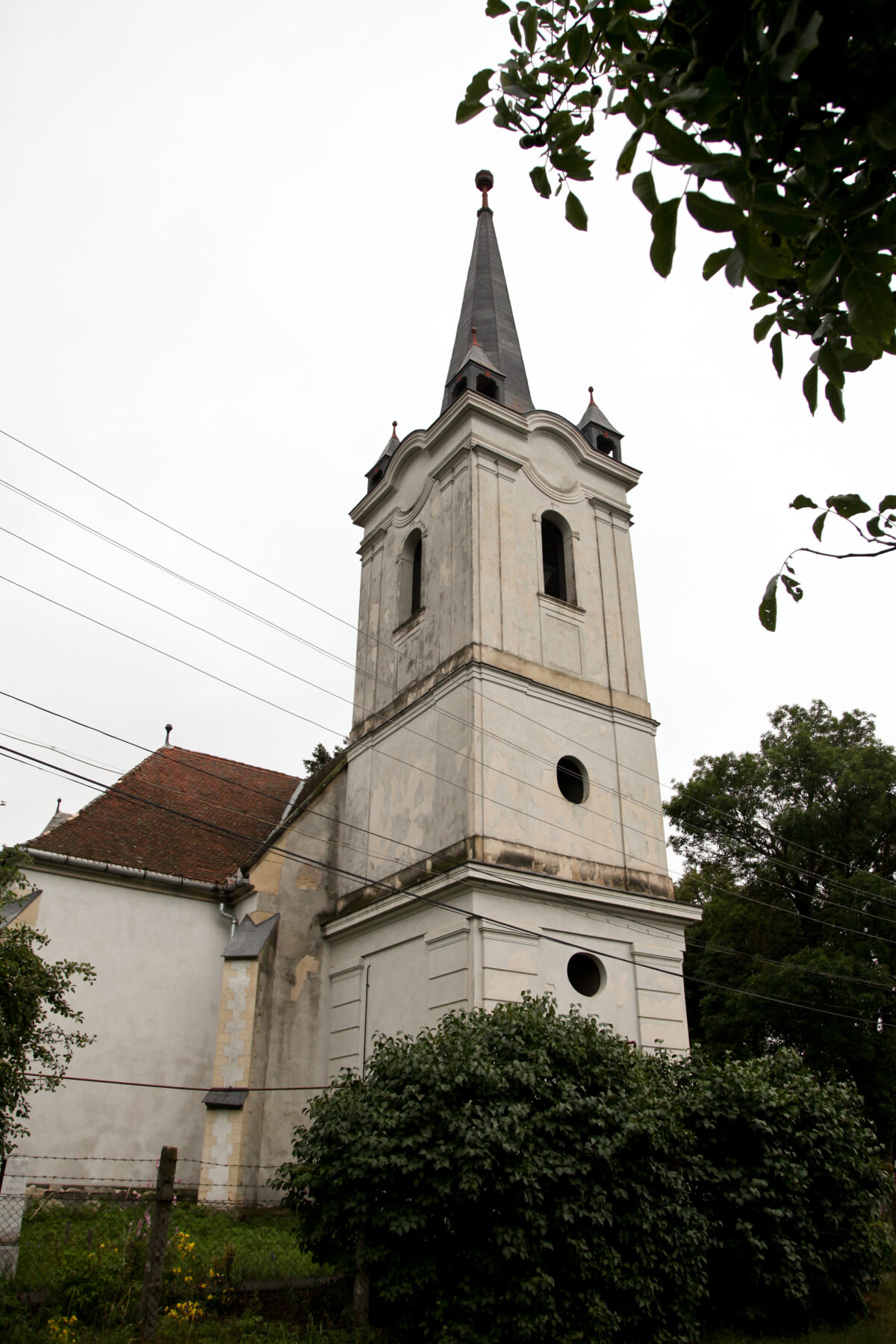
The reformed church of Gornești was built in the 15th century (1456) in Gothic style. Initially it served as a roman-catholic church, but later – with the conversion of the community to Protestantism, it became protestant. Throughout the centuries it was renovated several times, the greatest transformations took place in the 19th century. The steeple of the church with four pinnacles dates back to 1797, and the church organ to 1854. In the sacristy of the church there is the sarcophagus of count Teleki Mihály and the family’s coat of arms carved in marble. Under the sacristy there is a crypt of about 6 meters deep. In 1913 the surface of the nave was enlarged on the north-eastern side with the width of a room. In the northern wall there are two ogival openings, and they built in two pillars in the walls in order to support the weight. The ceiling of this annex was realized in a manner that the gothic effect of the church is not affected. The corridor of the sanctuary was built by count Teleki József, it was then, that they renovated the roof of the church and the ceiling as well.
Orthodox wooden church
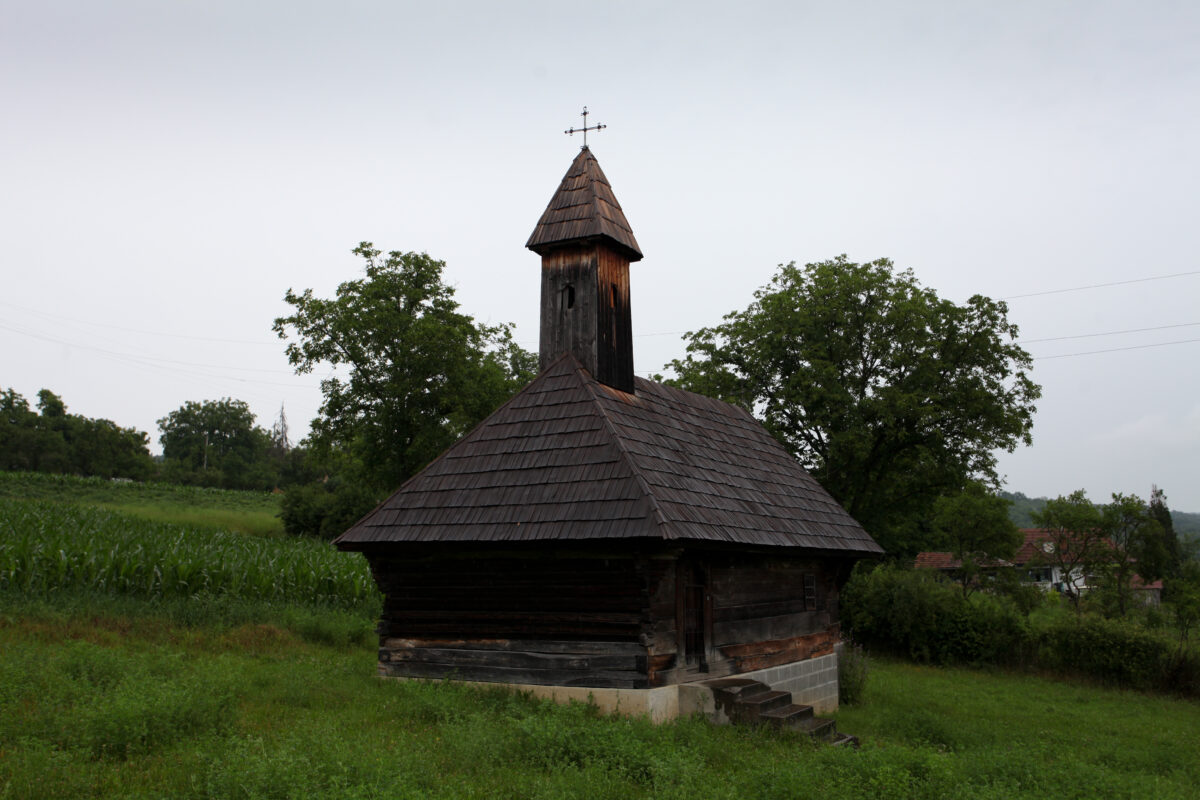
Though the exact date of the erection of the orthodox wooden church in the village of Păcureni consecrated to the Holy Archangels is not known, it is believed that the church was brought here from Chinari at the beginning of the 1800’s. The church has a simple rectangular floor plan, with square, slightly trapezoidal, detached apse, an ancient type met in all areas of the country. Its artistic value is given by the two entrances. The entrance to the pronaos on the southern side is delimited by a richly decorated doorframe (rope, wolf tooth, triangle on cross, tree of life, cross), elements that repeat on the entrance between the pronaos and the nave. Above the pronaos, there is the bell-tower, built at a later stage.
The wooden church

The wooden church of the village of Moișa consecrated to Holy Archangels Michael and Gabriel was probably built in the year of 1752, as the church directory states, in fact this is how we find out that the church was moved here from Ibănești, the Gurghiu Valley. During the year of 1921, the church was reconstructed, being also extended to be able to welcome more believers. During the year 1921 the church was completely renovated, getting a cemented stone foundation instead of the former log and hill stone foundation, a fact that confers stability to the establishment considering the fact that it is situated on a hillside. However the older part of the church maintained its original shape, the steeple and the verandah were covered with wooden tiles.
The wooden church of the Annunciation
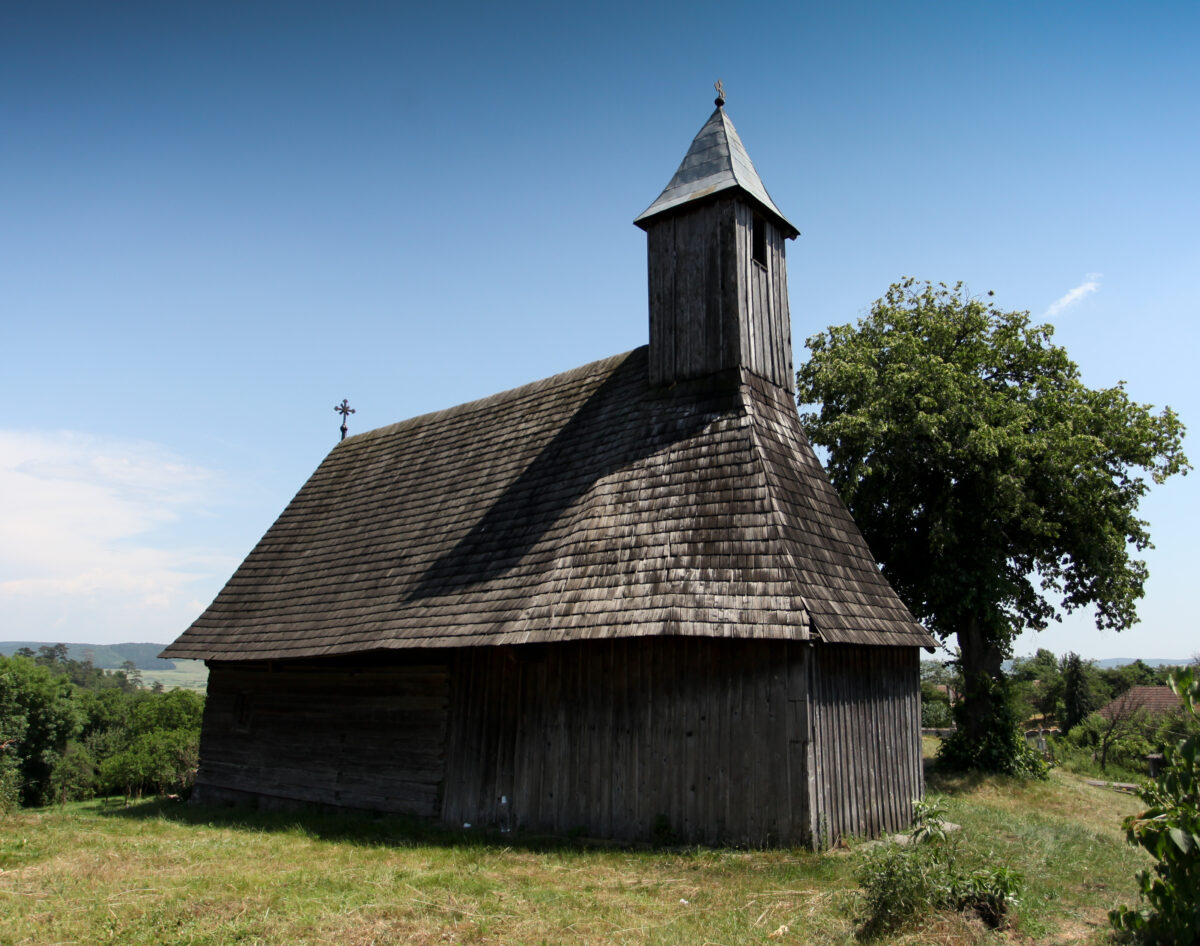
The wooden church of the Annunciation in Glodeni is an important monument of Romanian folk architecture, it was built in 1783, being extended and renovated several times throughout the years, its last consolidation taking place in 1986. Presently the church has one nave, with the usual space distribution for this kind of churches in this area. The building has a foundation of river stone, its walls are made of pinewood, the roof is covered with wooden tiles and the belfry is covered with iron sheet. Among the pictorial values, the best preserved ones are those on the iconostasis, we would like to stress the superior frieze with the 12 apostles flanking Jesus, as well as the icons of the iconostasis, painted on wood but also on glass.